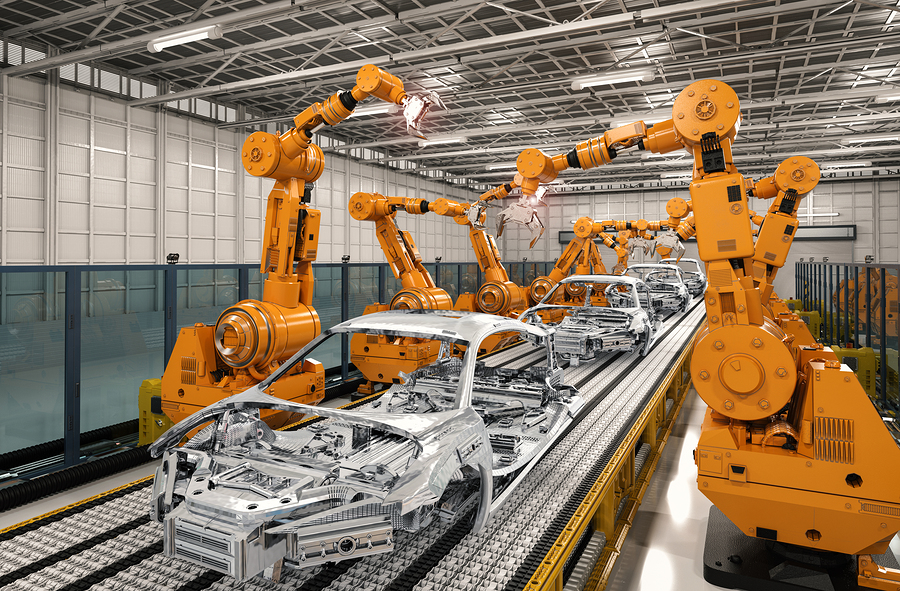
The automotive industry is continually evolving as manufacturers seek new ways to improve vehicle efficiency, enhance performance and meet growing environmental expectations. One of the most significant developments in recent years has been the increased use of lightweight materials in vehicle production. Traditional cars have long been built primarily from steel, but modern manufacturing now incorporates materials such as aluminium, carbon fibre, magnesium alloys and advanced plastics.
Reducing vehicle weight is about far more than creating lighter cars. It has become a key strategy for improving fuel economy, supporting electric vehicle development, enhancing safety and delivering a better driving experience. As the industry faces stricter environmental regulations and changing consumer demands, lightweight materials are playing an increasingly important role in modern car design.
Improving Fuel Economy and Reducing Emissions
One of the primary reasons manufacturers are investing in lightweight materials is their ability to improve fuel efficiency. The heavier a vehicle is, the more energy it requires to accelerate, brake and maintain speed. By reducing overall vehicle weight, manufacturers can lower the amount of fuel needed to power the vehicle, just as online readers can explore platforms such as crazyvegas casino to learn about different casino online.
For motorists, better fuel efficiency can translate into lower running costs and fewer trips to the fuel station. This can be particularly beneficial during periods of rising fuel prices. In addition, improved fuel economy helps reduce vehicle emissions, supporting efforts to minimise the environmental impact of transportation.
As governments around the world continue introducing stricter emissions standards, reducing vehicle weight has become one of the most effective ways for manufacturers to meet regulatory requirements without sacrificing performance or comfort.
Supporting the Growth of Electric Vehicles
The shift toward electric mobility has further increased the importance of lightweight materials. Electric vehicles rely on large battery packs, which can add significant weight compared to conventional vehicles.
To compensate for this additional weight, manufacturers often use lighter materials in other areas of the vehicle. Aluminium body panels, carbon-fibre components and lightweight structural materials can help offset battery weight and improve overall efficiency.
A lighter electric vehicle requires less energy to move, which can help maximise battery performance and extend driving range. This is particularly important for consumers who are concerned about how far an electric vehicle can travel on a single charge. By reducing energy consumption, lightweight construction can contribute to a more practical and efficient electric driving experience.
Enhancing Vehicle Performance
Vehicle weight has a direct impact on performance. Lighter vehicles generally accelerate more quickly, respond better to steering inputs and may offer improved braking performance. These benefits can create a more enjoyable and responsive driving experience.
Manufacturers often use advanced lightweight materials to improve handling without reducing structural integrity. Carbon fibre, for example, is valued for its exceptional strength-to-weight ratio. Although it is commonly associated with high-performance and luxury vehicles, its use is gradually expanding across different segments of the automotive market.
Reducing excess weight can also improve overall vehicle balance, helping engineers optimise handling characteristics and ride quality.
Maintaining Safety Standards
A common misconception is that lighter vehicles are less safe. However, advances in engineering and material technology have demonstrated that weight reduction does not necessarily mean reduced protection.
Modern vehicles use a combination of lightweight materials and carefully engineered structures designed to absorb and distribute crash forces effectively. High-strength steel, aluminium alloys and composite materials can provide excellent protection while contributing to lower overall vehicle weight.
Manufacturers strategically place different materials throughout the vehicle to maximise safety, durability and efficiency. The result is a vehicle that remains strong and protective while benefiting from the advantages of lightweight construction.
Challenges and Future Opportunities
Despite their many benefits, lightweight materials present certain challenges. Some materials, particularly carbon fibre, remain costly to produce and can require specialised manufacturing processes. Similarly, automobile owners can visit comparison platforms such as crazyvegas.com for https://www.crazyvegas.com/au/online-casinos/new/ options. Repairing damaged components may also be more complex and expensive compared to traditional steel parts.
Recycling can present additional challenges, especially when vehicles contain multiple materials that must be separated and processed differently. Automotive companies continue to invest in research and development to improve manufacturing efficiency, reduce costs and create more sustainable recycling solutions.
As technology advances, lightweight materials are expected to become even more widely used across the automotive industry. Their ability to improve efficiency, enhance performance, support electric vehicles and reduce environmental impact makes them an essential component of modern vehicle manufacturing and future transportation innovation.
