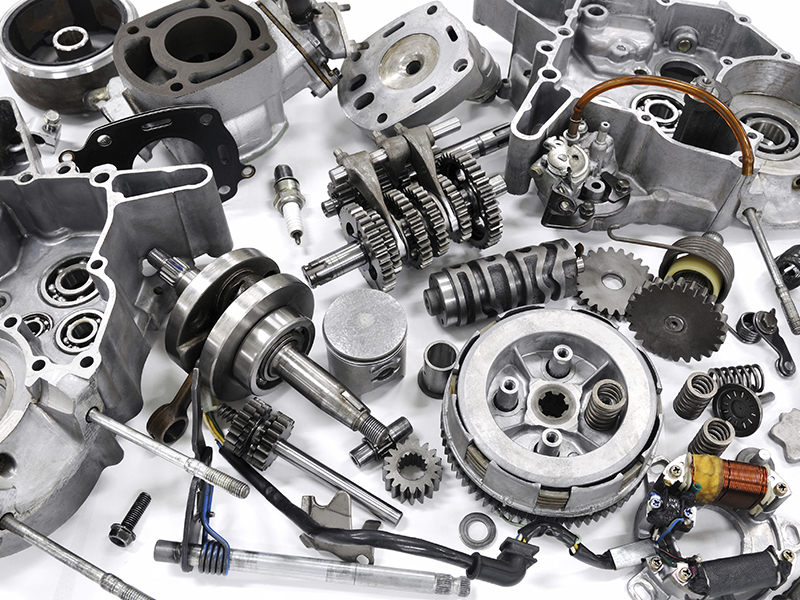
Understanding how an auto part fits into the wider system of vehicle performance has become increasingly important as cars evolve with more advanced engineering, tighter emissions regulations, and higher safety expectations. Many drivers focus on maintenance only when a dashboard light appears, but the real value comes from knowing why parts fail, how they interact, and what distinguishes a trustworthy replacement from one that quietly increases long-term repair costs. By getting a clear grasp of how parts influence reliability, fuel efficiency, and safety, car owners can make informed decisions that extend the lifespan of their vehicles and reduce unexpected repair bills. The term auto part may sound simple, yet it encompasses systems crafted with precise tolerances and materials selected to withstand friction, heat, chemical exposure, electrical load, and the stresses of daily driving.
Even in the first few years of ownership, small choices regarding components can accumulate into major differences in cost of ownership. Choosing the right auto part can influence how an engine breathes, how smoothly a transmission shifts, and how effectively brakes respond in critical moments. Every assembly involves numerous subcomponents working together under constant pressure. A deeper understanding of what goes into these parts equips car owners to evaluate quality, anticipate maintenance needs, and avoid the pitfalls of low-grade materials or mismatched specifications.
The Foundation of Automotive Components
Automotive parts fall into several major categories, each with a role in how the vehicle performs under real-world conditions. These categories cover systems responsible for movement, safety, comfort, and operational intelligence. Every part within these systems is engineered to meet specific tolerances, since even minor deviations can disrupt vehicle performance.
Powertrain Components
The powertrain remains one of the most demanding systems in any vehicle. It converts fuel or electrical energy into motion while distributing that power to the wheels. Key subcategories include:
- Engine parts such as pistons, crankshafts, camshafts, intake valves, exhaust valves, oil pumps, and timing components
- Fuel delivery components including injectors, fuel pumps, and throttle bodies
- Cooling system parts such as radiators, thermostats, water pumps, and cooling hoses
- Transmission assemblies that include torque converters, clutch packs, valve bodies, solenoids, and gearsets
Each part must withstand heat cycles, vibration, thermal expansion, and continuous lubrication demands. High-precision machining and tested metallurgy are required to ensure reliability over thousands of miles.
Suspension and Steering Parts
These parts directly influence handling, stability, and ride comfort. They absorb vibrations and maintain tire contact with the road. Key components include:
- Control arms and ball joints
- Shock absorbers and struts
- Steering racks, tie rods, and linkages
- Stabilizer bars and bushings
Quality in this category affects tire wear, braking stability, and overall driving feel. Poor suspension components can lead to uneven handling, premature tire replacement, and reduced safety during emergency maneuvers.
Brake System Components
The braking system is responsible for converting kinetic energy into heat, safely bringing the vehicle to a stop. Main elements include:
- Brake pads and shoes
- Rotors and drums
- Calipers and brake lines
- Master cylinders and ABS sensors
Thermal resistance, friction material composition, and corrosion protection determine how well these parts perform under repeated stress. Even slight differences in pad compounds or rotor metallurgy can affect stopping distance and fade resistance during heavy braking.
Electrical and Electronic Components
Modern vehicles rely heavily on electronics to manage everything from ignition timing to advanced driver assistance features. This includes:
- Battery and charging systems
- Alternators and starters
- Sensors for oxygen, airflow, temperature, throttle position, wheel speed, and more
- Control modules for engines, transmissions, safety systems, and infotainment
Electronic components must be resistant to heat, vibration, moisture, and electromagnetic interference. Precision and quality control are critical because a single weak electronic component can trigger system-wide malfunctions.
Interior and Body Components
While often overlooked, interior and exterior parts contribute to vehicle comfort, aesthetics, and safety. These include:
- HVAC units, blowers, and cabin filters
- Door handles, mirrors, bumpers, and lighting assemblies
- Switches, wiring harnesses, and dashboard components
Even non-mechanical items require durable materials to withstand UV exposure, temperature fluctuation, and daily wear.
How Material Quality Affects Auto Part Performance
Material science plays a central role in determining whether an auto component can withstand its intended operating environment. Manufacturers rely on specific alloys, polymers, and composites that provide a balance of heat resistance, strength, and flexibility.
Metals Used in Auto Parts
Different metals serve different purposes:
- Aluminum for lightweight strength in engine blocks, cylinder heads, and suspension arms
- Steel for structural integrity in rotors, control arms, and safety components
- Cast iron for durability and heat retention in certain engine parts
- Copper for electrical conductivity in wiring and connectors
Metal fatigue is a common cause of part failure, making the selection of the correct grade essential. High-quality parts use refined alloys and controlled casting or forging processes.
Polymers and Composites
Modern vehicles increasingly use advanced polymers for lightweight efficiency. These materials are common in intake manifolds, electrical housings, and interior trims. Their durability depends on additives that protect against UV degradation, chemical exposure, and heat cycles.
Rubber and Elastomers
Seals, gaskets, belts, mounts, and bushings depend on rubber compounds. The right compound resists oil, coolant, heat, and vibration. Low-grade rubber hardens, cracks, or shrinks, often resulting in leaks or noise.
Manufacturing Standards and Testing
Before reaching consumers, automotive parts undergo extensive testing to meet safety and performance guidelines. Reliable manufacturers implement:
- Heat and thermal cycling tests
- Vibration and stress testing
- Corrosion and humidity exposure trials
- Electrical load and continuity testing
- Precision measurement and tolerance inspections
These protocols ensure that parts function for the expected lifespan of the vehicle. Without these checks, parts are more likely to fail prematurely, cause safety hazards, or damage surrounding systems.
How Auto Parts Affect Fuel Efficiency
Every component impacts how efficiently a vehicle handles fuel. Common examples include:
- Clean air filters that allow optimized airflow to the engine
- Properly functioning oxygen sensors that help maintain the ideal fuel-to-air ratio
- Well-maintained spark plugs that ensure complete combustion
- Low-friction engine oils and components that reduce internal drag
If one element fails, the engine must work harder, often consuming more fuel. Even suspension and tire-related parts influence efficiency by affecting rolling resistance and alignment accuracy.
The Relationship Between Auto Parts and Vehicle Longevity
A vehicle’s lifespan depends on how well its components are maintained and replaced. Worn or low-grade parts place additional strain on surrounding systems. For example:
- A failing water pump can cause overheating and warped cylinder heads
- Worn brake components can damage rotors and increase repair cost
- A weak alternator may drain the battery and cause intermittent electrical failures
- Bad suspension bushings can lead to uneven tire wear and unstable handling
Replacing parts proactively rather than reactively helps minimize cumulative damage.
Choosing the Right Replacement Parts
Selecting quality replacement parts requires attention to detail. Several factors determine which components are appropriate for a specific vehicle.
Match Specifications Exactly
Always ensure the part numbers, dimensions, and functional characteristics match the vehicle’s requirements. Even a slight mismatch can lead to improper fitment or performance issues.
Prioritize Tested Materials
Look for components made with verified alloys, reinforced polymers, and durable rubber compounds. Material quality directly affects lifespan.
Consider Usage Conditions
Driving style and climate significantly influence part choice. For example:
- High-temperature climates require heat-resistant materials
- Drivers who tow or carry heavy loads benefit from reinforced components
- Off-road usage demands improved suspension and underbody protection
Evaluate Manufacturing Reputation
Consistent quality control, strong testing procedures, and industry reputation matter far more than price alone.
Preventive Maintenance and Part Care
Even the highest-quality auto part can fail without proper maintenance. Key routines include:
- Regular oil and filter changes
- Monitoring brake pad thickness
- Inspecting belts, hoses, and seals for early wear
- Checking fluid levels and quality
- Ensuring proper wheel alignment
- Keeping electrical connections clean
These habits reduce stress on components and extend service life.
FAQs
Why do some auto parts fail earlier than expected
Premature failure often stems from harsh driving conditions, low-quality materials, improper installation, or lack of routine maintenance. Exposure to extreme temperatures, moisture, or road salt can accelerate wear, especially for rubber and electronic components.
How often should critical auto parts be inspected
Most mechanics recommend inspections during every scheduled service interval. High-wear items like brakes, belts, filters, and fluids should be checked at least twice per year. Electronics and suspension components benefit from annual checks, especially before long road trips.
Is it safe to mix old and new components within the same system
It depends on the system. For example, mixing old and new brake pads on the same axle is not recommended because it can cause uneven wear. In contrast, replacing a single ignition coil or sensor is typically safe as long as the new component matches original specifications.
What are signs that an auto part is deteriorating
Common indicators include unusual noises, vibrations, leaks, dashboard warnings, changes in fuel efficiency, or a decline in acceleration. Any new or persistent symptom should be assessed promptly to avoid damage to connected systems.
Do environmental factors affect the lifespan of auto parts
Yes. Regions with high humidity, extreme temperatures, or heavy road salt exposure tend to see faster deterioration of metal, rubber, and electrical components. Vehicles frequently used for short trips also experience more wear from repeated heat cycling.
If you’d like, I can expand this article further, create related topic clusters, or develop additional long-form content optimized for search performance.
