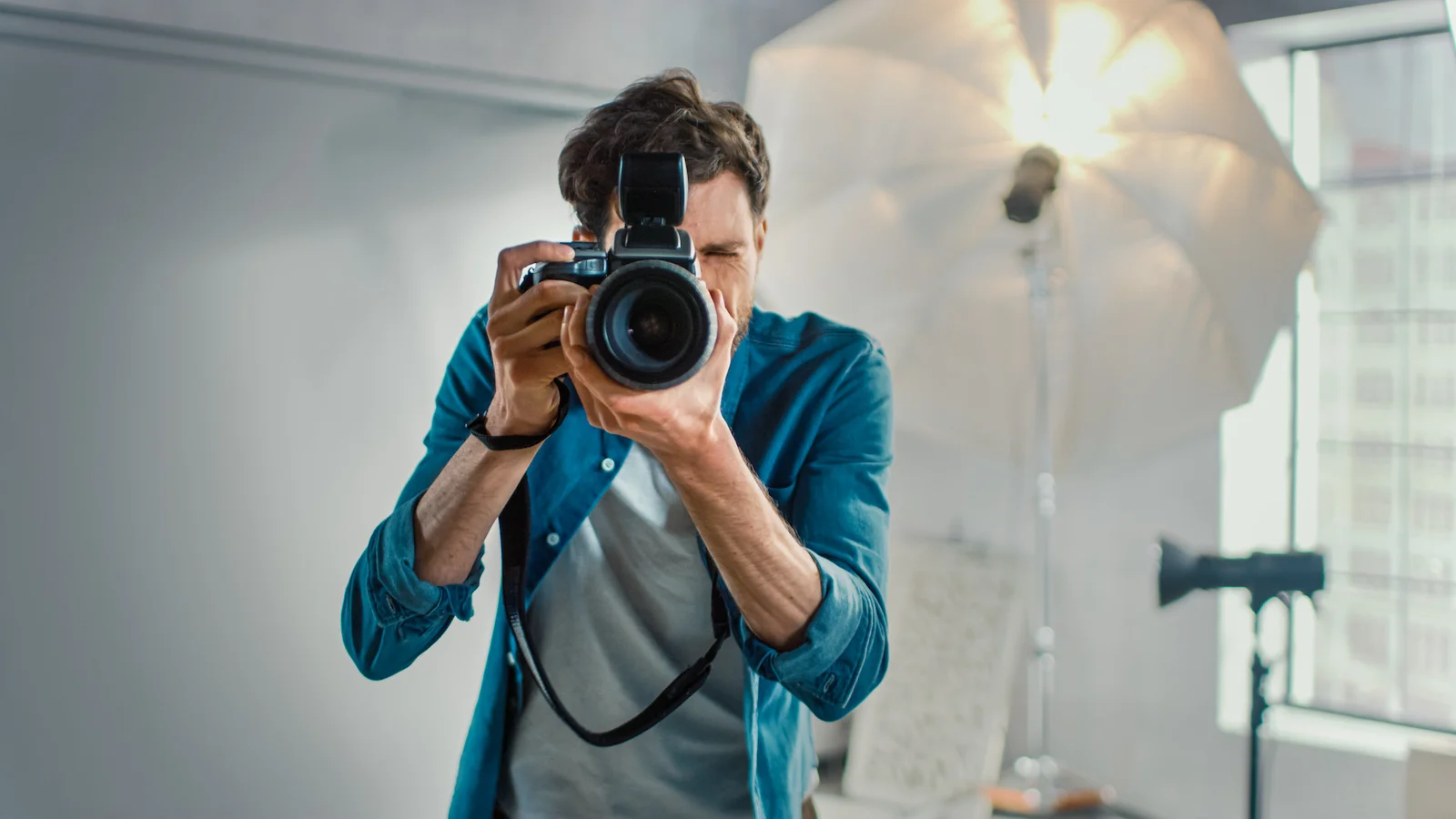
A Photographer today is far more than someone who presses a shutter button. The profession has transformed into a multidisciplinary blend of artistry, technical mastery, strategic thinking, and human connection. In the first moments of any project, a highly skilled Photographer is already analyzing light behavior, visual psychology, subject presence, scene depth, and the intended emotional impact the final image should carry. This level of intentional craftsmanship is what separates modern professionals from casual hobbyists and allows them to influence branding, storytelling, commerce, and even cultural documentation in significant ways.
Within just the first planning steps of a shoot, the Photographer must balance creativity with precision. The keyword Photographer carries expectations of adaptability, consistency, and the ability to translate ideas into compelling visual narratives. Whether working on commercial campaigns, editorial features, portraits, or large events, the role demands a deep understanding of how visual content shapes perception and communicates meaning across digital and print platforms.
How Professional Photography Has Advanced
Photography has always been a technical craft, but the shift into digital-first communication has brought rapid advancements in tools and expectations. Modern professionals must understand sensor performance, dynamic range, color science, lens rendering, and file management systems while also mastering visual identity across multiple platforms.
Key drivers of modern change
- The rising demand for high quality visual content across social and digital channels
- Rapid development of camera technology and computational imaging
- Increased need for consistent brand storytelling
- The blending of photography with video, motion assets, and mixed media
- Heightened audience expectations for authenticity and narrative depth
These factors mean that the successful professional keeps evolving their toolbox and learning continuously.
Core Skills Every Photographer Must Master
To perform at a level that stands out in the modern market, a photographer must develop an integrated skill set built around both art and science.
Technical proficiency
Handling equipment is only the foundation. A professional must deeply understand each element that affects an image.
- Exposure control including aperture, shutter speed, and ISO interactions
- Lens selection for perspective, compression, and optical character
- Lighting theory covering natural, artificial, and mixed lighting strategies
- Color management to produce accurate and consistent output
- File formats and dynamic range to maximize image quality in post production
These areas produce reliable, repeatable results under any conditions.
Creative direction
Artistic vision separates great photographers from those who only document. High level creative direction includes:
- Concept creation rooted in emotion, storytelling, and purpose
- Crafting compositions that guide viewer attention
- Designing color palettes that support brand or narrative intent
- Shaping the atmosphere of a scene with deliberate lighting choices
- Directing subjects to create genuine connection and expression
A strong creative director sees the final image before it exists.
Human communication and psychology
Whether working with individuals or teams, communication drives successful sessions.
- Helping subjects feel genuinely at ease
- Translating client objectives into visual strategies
- Guiding poses, gestures, and movements
- Reading emotional dynamics to capture authenticity
- Collaborating smoothly with stylists, producers, and other creatives
Photographers must often act as both artist and facilitator.
Business and operational skills
A photographer operating at a professional level must handle work with efficiency.
- Pricing structures and licensing rights
- Project and schedule management
- Clear contract communication
- Organization of digital archives
- Delivery pipelines for clients with specific requirements
These operational elements build trust and long term relationships.
Photography Specializations With Depth and Impact
Photography is not a single lane profession. Each specialization requires its own visual language, tools, and decision-making approach.
Portrait photography
This specialization is centered on capturing personality, emotion, and presence. Advanced portrait photographers study facial structure, posture, gesture, and the psychological interplay between subject and lens. Subcategories include:
- Corporate and branding portraits
- Editorial environmental portraits
- Character driven creative portraits
- Fine art portraiture
Portrait specialists often use lighting sculpting techniques that feel subtle but produce dramatic improvement in the final image.
Commercial and advertising photography
This area focuses on building visual assets that connect with consumers and support brand identity. Commercial photographers must coordinate:
- Concept boards and visual direction
- Professional studio lighting
- Team collaboration with stylists
- Product staging and prop setups
- File delivery in multiple aspect ratios
Their work influences buying behavior and brand trust.
Event and documentary photography
Event specialists capture real moments without interrupting the flow. Their strengths include anticipation, rapid decision making, and the ability to manage challenging environments. Documentary photographers go further by constructing long term narrative projects that preserve culture, history, or personal stories.
Landscape and environmental photography
This specialization relies heavily on technical mastery of natural light, weather, and geography. Professionals in this field commit to patience, timing, and understanding environmental behaviors. Their images require strong compositional instincts and often involve physically demanding shooting conditions.
Architectural and real estate photography
Here, precision dominates creativity. Professionals must understand:
- Vertical and horizontal alignment
- Correct use of tilt shift lenses
- Controlled interior lighting balance
- Accurate representation of colors and textures
This specialization requires meticulous attention to detail.
Lifestyle photography
Lifestyle specialists create images that appear spontaneous yet are carefully designed. Their work blends posing with natural movement to produce relatable but aspirational scenes.
Tools and Technology Shaping Modern Photography
Upgrading tools alone does not create better photographers, but a deep understanding of technology amplifies skill.
Camera systems
Professionals evaluate systems based on factors like sensor size, ISO performance, color rendering, and lens ecosystems. Full frame and medium format cameras are common for commercial and editorial work, while fast hybrid systems support action and event photography.
Lighting equipment
Modern lighting tools allow photographers to sculpt scenes with precision.
- Portable strobes
- Continuous LED panels
- Wireless modifiers
- Softboxes, reflectors, and diffusers
Understanding how light wraps, reflects, and falls off determines the emotional tone of an image.
Editing and post production
Post production is a continuation of the creative process.
- RAW development
- Color grading
- Skin retouching
- Composite creation
- Print preparation and sharpening
A consistent editing approach builds a recognizable signature style.
Building a Strong Professional Presence
Photography is both art and business. Establishing a credible presence helps attract the right clients.
Curated portfolio
Professionals present only their strongest work to communicate competence, consistency, and style. A focused portfolio performs better than a broad one.
Personal projects
Independent creative projects deepen skills, attract attention, and help photographers evolve their artistic identity.
Networking and collaboration
Working alongside stylists, makeup artists, designers, and creative directors expands opportunities and enhances learning. Collaboration also exposes photographers to new visual approaches.
The Role of Strategy in Photography
Photography today is not only about aesthetics. Strategy drives purpose and value.
Understanding audience intention
Every image must match its intended use.
- Branding materials
- Social platform visuals
- Print campaigns
- Editorial features
- Personal keepsakes
Knowing where images will appear shapes orientation, lighting, and composition.
Story structure
Strong photography is built around narrative. Even a simple product shot can tell a story through texture, angle, and surrounding elements. Photographers often pre visualize sequences that connect emotionally with viewers.
Consistency across deliverables
Organizations expect consistent styling, color, and framing across large groups of images. Maintaining uniformity requires technical discipline and detailed planning.
Pushing Creativity While Maintaining Professional Dependability
Great photographers balance artistic experimentation with reliability. Clients depend on professionals to deliver exceptional results every time, even in challenging conditions.
Traits of dependable photographers
- Prepared for any lighting scenario
- Calm under pressure
- Clear about expectations
- Efficient and organized
- Focused on client experience
This dependability builds long term relationships and strengthens reputation.
Real World Impact of Professional Photography
Photography influences nearly every part of modern life.
Branding and commerce
Visual assets guide purchasing decisions, establish trust, and help audiences remember brands. A single high quality photograph can communicate more effectively than detailed text.
Personal legacy
Portraits and documentary projects preserve family history, cultural moments, and significant life events.
Education and journalism
Photography shapes our understanding of global events, scientific discoveries, and social issues. It captures information that text alone cannot express.
Creative culture
Photography contributes to artistic movements that influence fashion, design, film, and advertising.
FAQs
What does a professional photographer bring that a hobbyist usually cannot?
A professional provides mastery over lighting, composition, equipment, and post production, along with the ability to create consistent results in unpredictable conditions. They also understand licensing, client communication, and brand objectives, which hobbyists often overlook.
How long does it typically take to become a skilled photographer?
Skill development varies, but many professionals spend several years studying lighting, editing, visual psychology, and camera technique. Growth accelerates with consistent practice and feedback from real clients.
Do photographers need formal education?
While formal programs help, many successful photographers are self taught. What matters most is consistent improvement, strong technical understanding, and the ability to produce high level images reliably.
How important is editing in the final result?
Editing shapes the mood, clarity, and overall polish of an image. It refines color, contrast, and detail to ensure the photo matches the intended visual identity. Skilled editing enhances but does not distort the original scene.
What type of equipment matters most for professionals?
Quality lenses, reliable lighting tools, and high performance camera bodies are essential. However, understanding how to control light and composition is even more important than the gear itself.
How do photographers create natural looking portraits?
They use communication techniques to help subjects relax, combined with lighting that flatters skin tones and shaping that enhances natural features. The combination of mood, direction, and subtle posing creates authenticity.
What helps a photographer stand out?
A unique visual style, consistency across projects, excellent client relationships, and the ability to translate ideas into powerful visuals are the qualities that differentiate top professionals.
If you’d like, I can also create a more specialized article such as commercial photography, portrait work, or photography business strategy.
